
Beyond Plastic Waste: Why Biodegradation Matters for a Sustainable Future
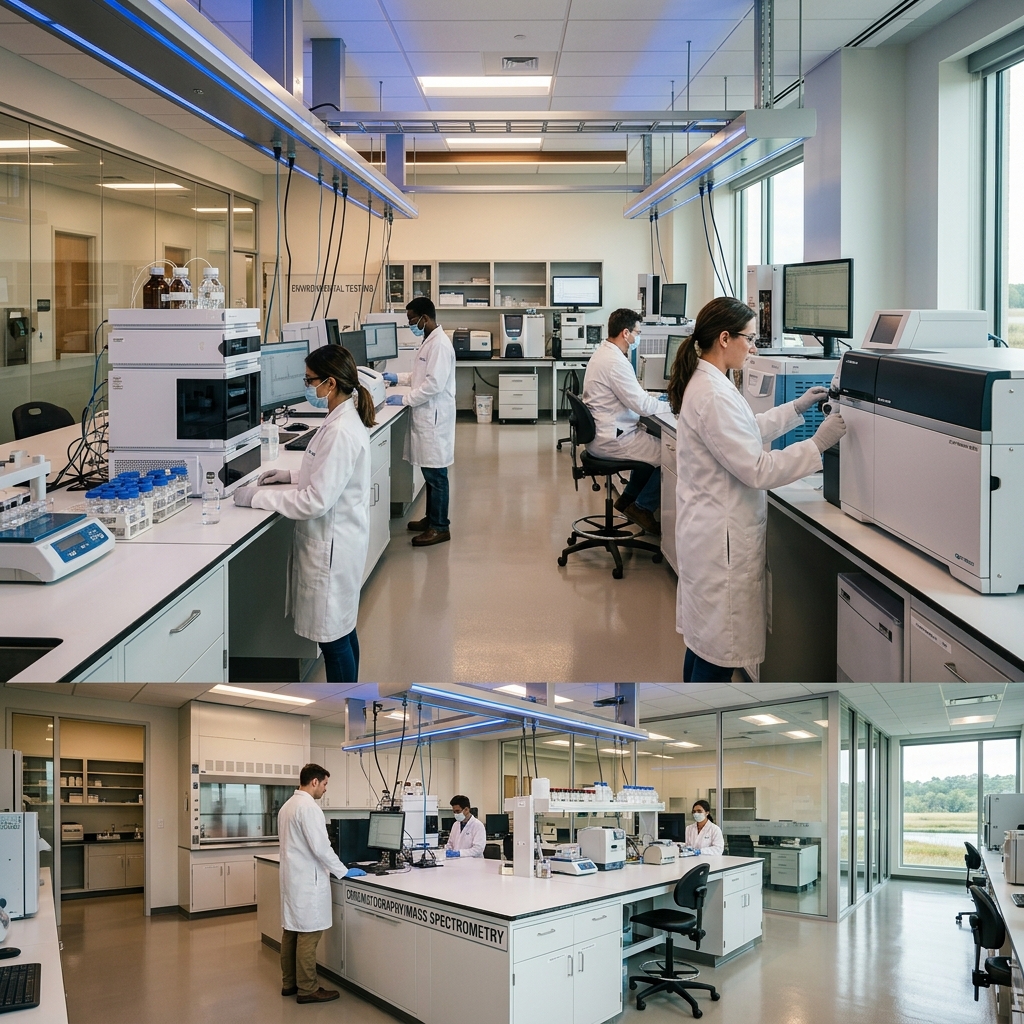
Plastic has transformed modern life, improving convenience, durability, and affordability across industries ranging from healthcare and food packaging to transportation and construction. Yet, the same properties that make plastics so valuable have also created one of today's greatest environmental challenges. By 2015, the world had produced approximately 8.3 billion metric tons of virgin plastic, but only about 9% had been recycled. Most plastic waste was incinerated, landfilled, or released into the environment, where it continues to accumulate. As plastic production grows, reducing its environmental footprint has become one of the defining sustainability challenges of the 21st century. For manufacturers, regulators, and consumers alike, understanding how materials behave at the end of their life cycle is now just as important as understanding how they perform during use. This is where biodegradation plays a vital role. Why Do Conventional Plastics Persist? Conventional plastics are designed for durability. Their long, high-molecular-weight polymer chains resist microbial degradation, allowing products to perform reliably during use. However, this same durability means they can persist in the environment for decades, gradually fragmenting into microplastics and nanoplastics through sunlight, heat, and weathering. These particles have now been detected in oceans, freshwater, soils, wildlife, and even the human body, raising concerns about their long-term environmental impacts. Biodegradation: Nature's Recycling Process Biodegradation is a natural process in which microorganisms, including bacteria and fungi, use enzymes to break down biodegradable materials into simpler substances. Under appropriate conditions, complete biodegradation produces carbon dioxide (or methane under anaerobic conditions), water, biomass, and mineral salts. The rate and extent of biodegradation depend on factors such as the material's chemical composition, temperature, moisture, oxygen availability, and microbial activity. Consequently, a material that biodegrades in an industrial composting facility may not degrade in the same way in soil, freshwater, marine environments, or landfills. Biodegradable Does Not Mean It Will Degrade Everywhere A common misconception is that a product labelled "biodegradable" will quickly disappear wherever it is discarded. In reality, biodegradation occurs only when suitable environmental conditions and microorganisms are present. Biodegradable plastics are therefore not a standalone solution to plastic pollution. If disposed of improperly or in unsuitable environments, degradation may be slow or incomplete, highlighting the need for appropriate waste management systems such as industrial composting and anaerobic digestion. Biodegradation should be viewed as one important component of sustainable materials management rather than a complete solution. Why Scientific Testing Matters As sustainability becomes a priority, environmental claims such as "biodegradable," "compostable," and "environmentally friendly" must be supported by robust scientific evidence rather than marketing claims. Standardised biodegradability testing evaluates how materials behave under defined conditions, while ecotoxicity assessments determine whether degradation products may adversely affect plants, aquatic life, soil organisms, or other components of the ecosystem. Together, these studies provide the evidence needed to support product development, regulatory compliance, environmental certification, and credible sustainability claims. Building a Truly Sustainable Future Biodegradation is an important tool for reducing the environmental impact of plastic waste, but it is only one part of a broader sustainability strategy. Achieving a circular economy will require innovative material design, improved recycling systems, effective waste management, appropriate composting infrastructure, and science-based decision-making throughout a product's life cycle. At Enviro Remediation & Research Laboratory (ERRL), we believe that science is the foundation of sustainability. Through internationally recognised biodegradability, compostability, and ecotoxicity testing, environmental laboratories generate the reliable data needed to verify environmental claims, support responsible innovation, and help industries develop products that contribute to a cleaner and more sustainable future.